
AI Automotive Advertising: The New Standard for Car Commercials, Even Before the Car Exists
A car commercial that looks like a $250K shoot, on a fraction of the budget. Sometimes for a spec that has not physically been built yet. Here is how it works, and when a real shoot still wins.
Independent Cinematechs AI Studio study
You've got the brief, the media plan, and a launch date. What you don't have is the money for a full car shoot, or the six weeks it takes to line up a crew, a location, insurance on a prototype, and a weather window that might not cooperate. A professional car commercial runs somewhere around $200,000 to $300,000 to produce properly. And sometimes the car you need to advertise isn't sitting in front of a camera yet. It's a colour variant, a market-specific trim, or a concept vehicle that only exists as data. That's the corner most automotive marketers get backed into, and it's the real reason AI automotive advertising exists. Not because AI is exciting. Because the budget and the calendar stopped cooperating.
What "Chrome" had to get right
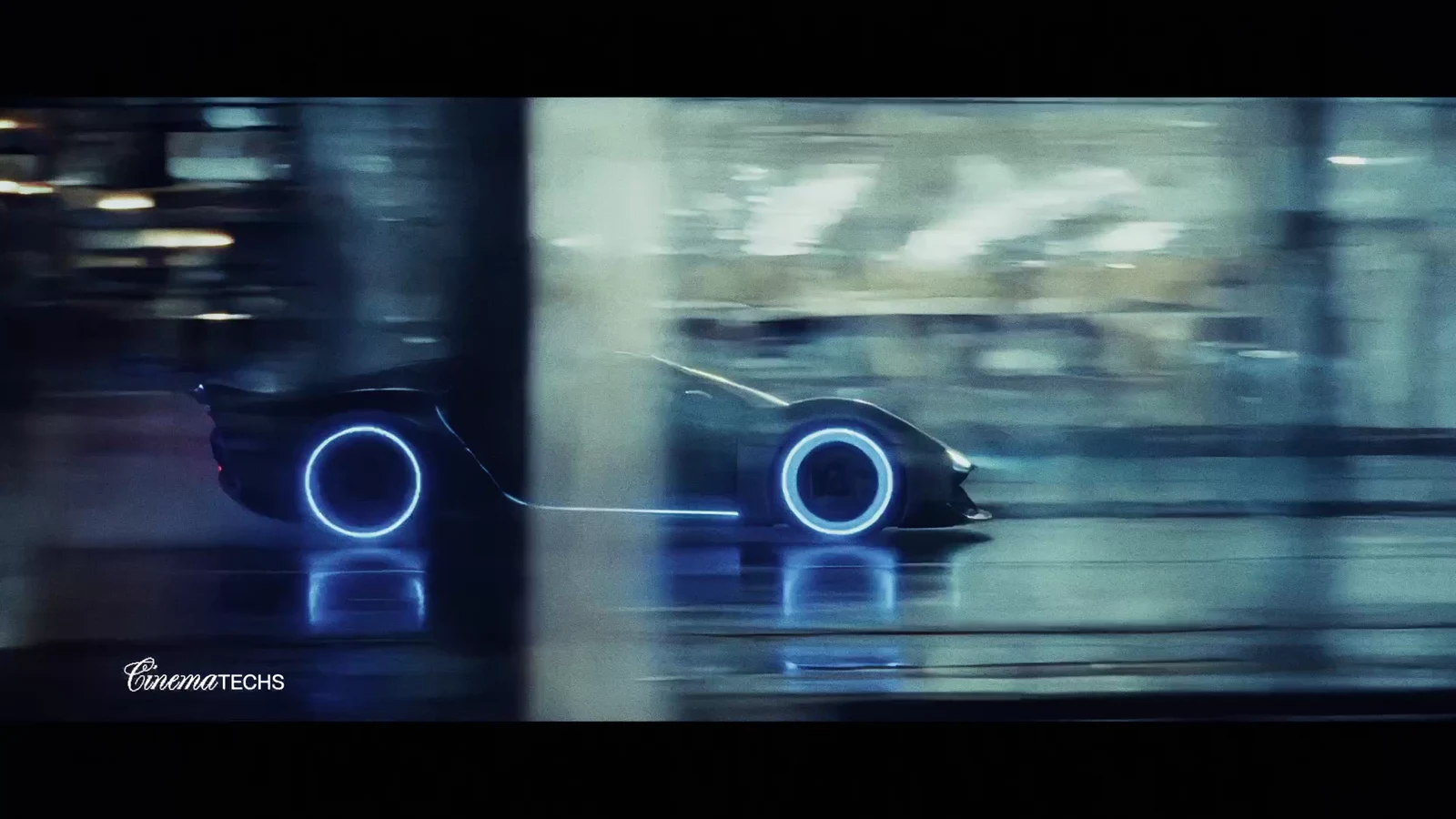
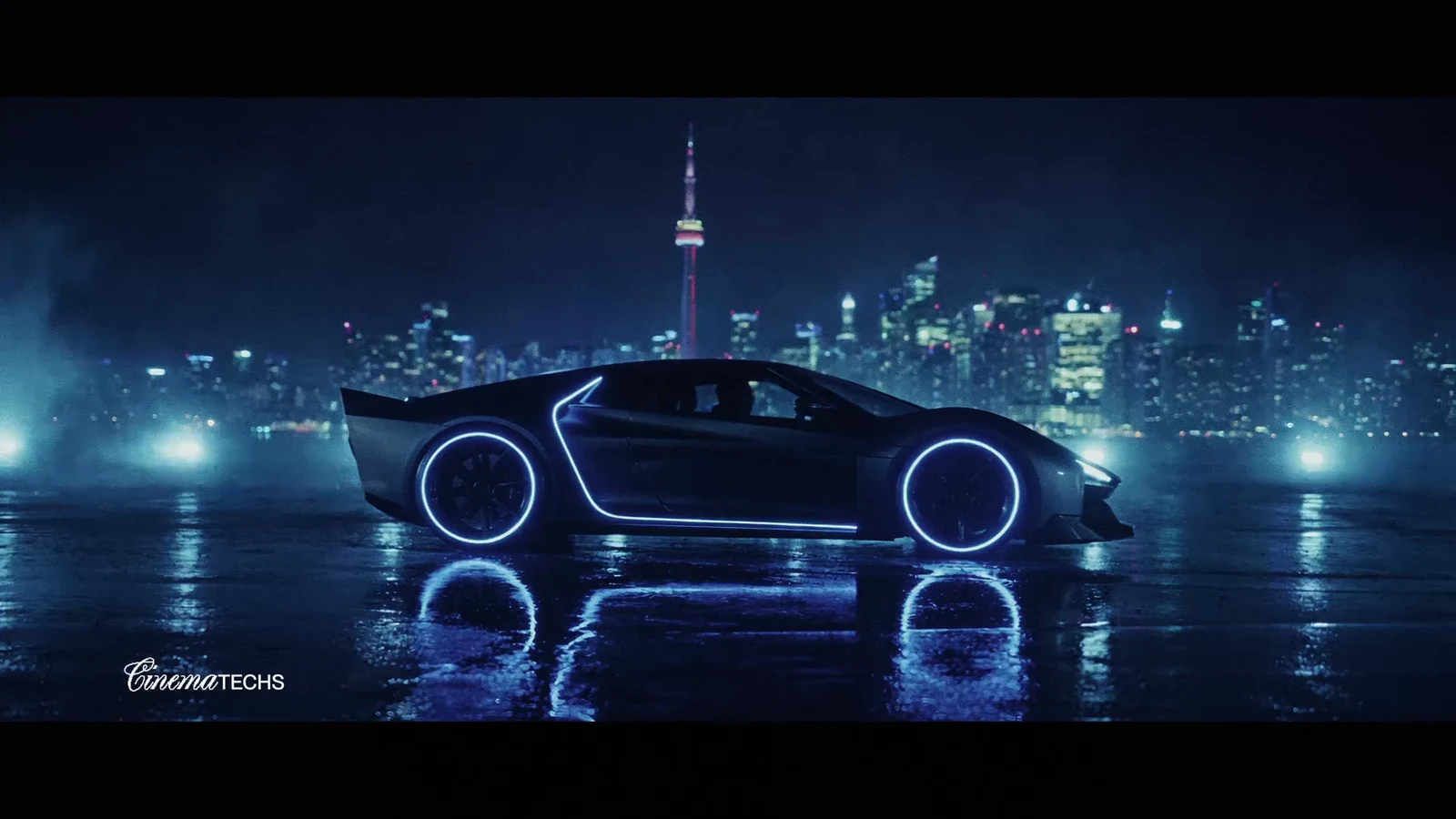
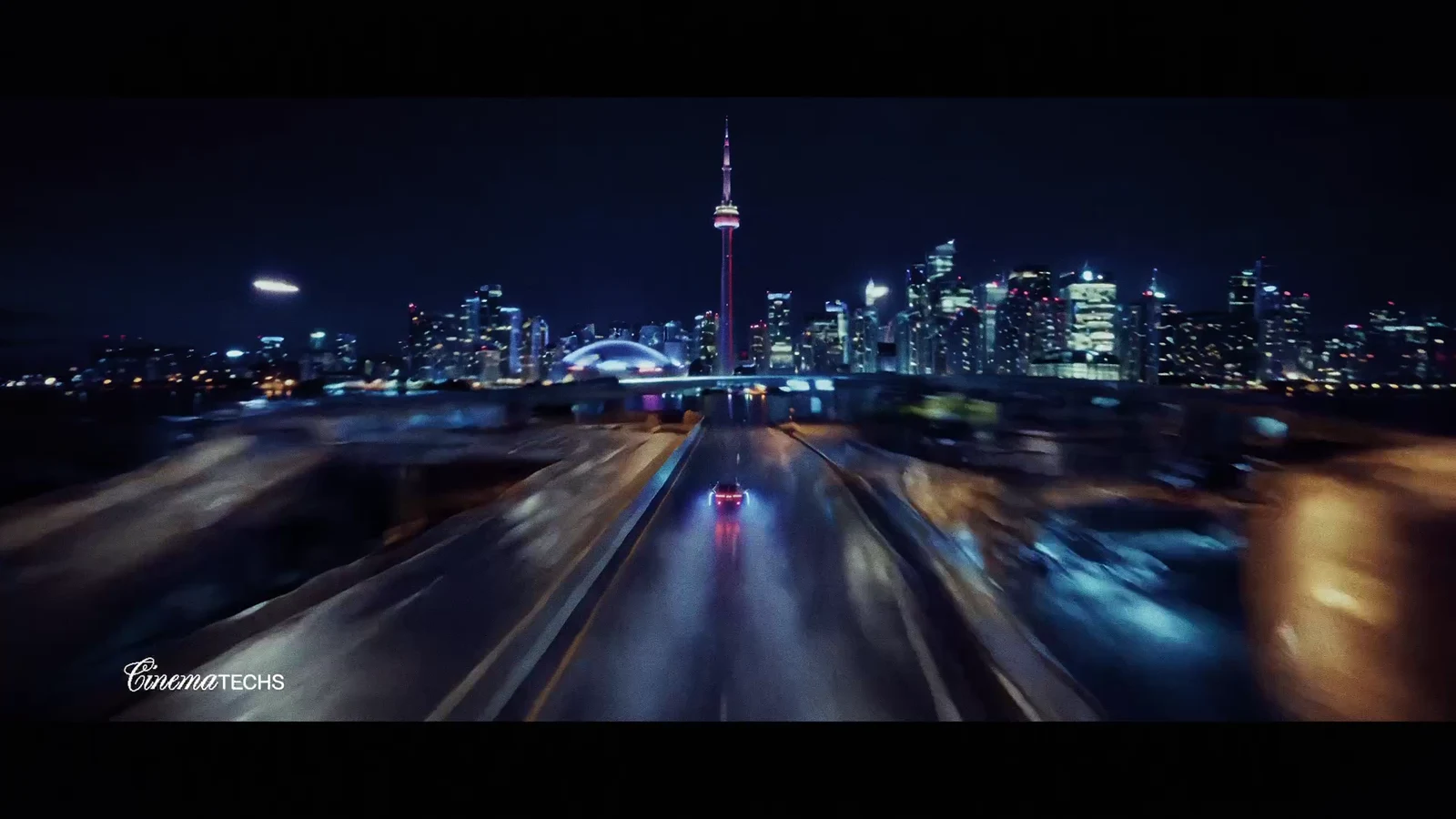
To show what this actually produces, we built one ourselves. "Chrome" is an independent Cinematechs AI Studio study, not a commissioned brand campaign. It's a sculptural concept car, edge-lit in electric blue on a wet night street, and it exists to answer one question. Can a generated car read as a real automotive hero shot, or does it give itself away as a render?
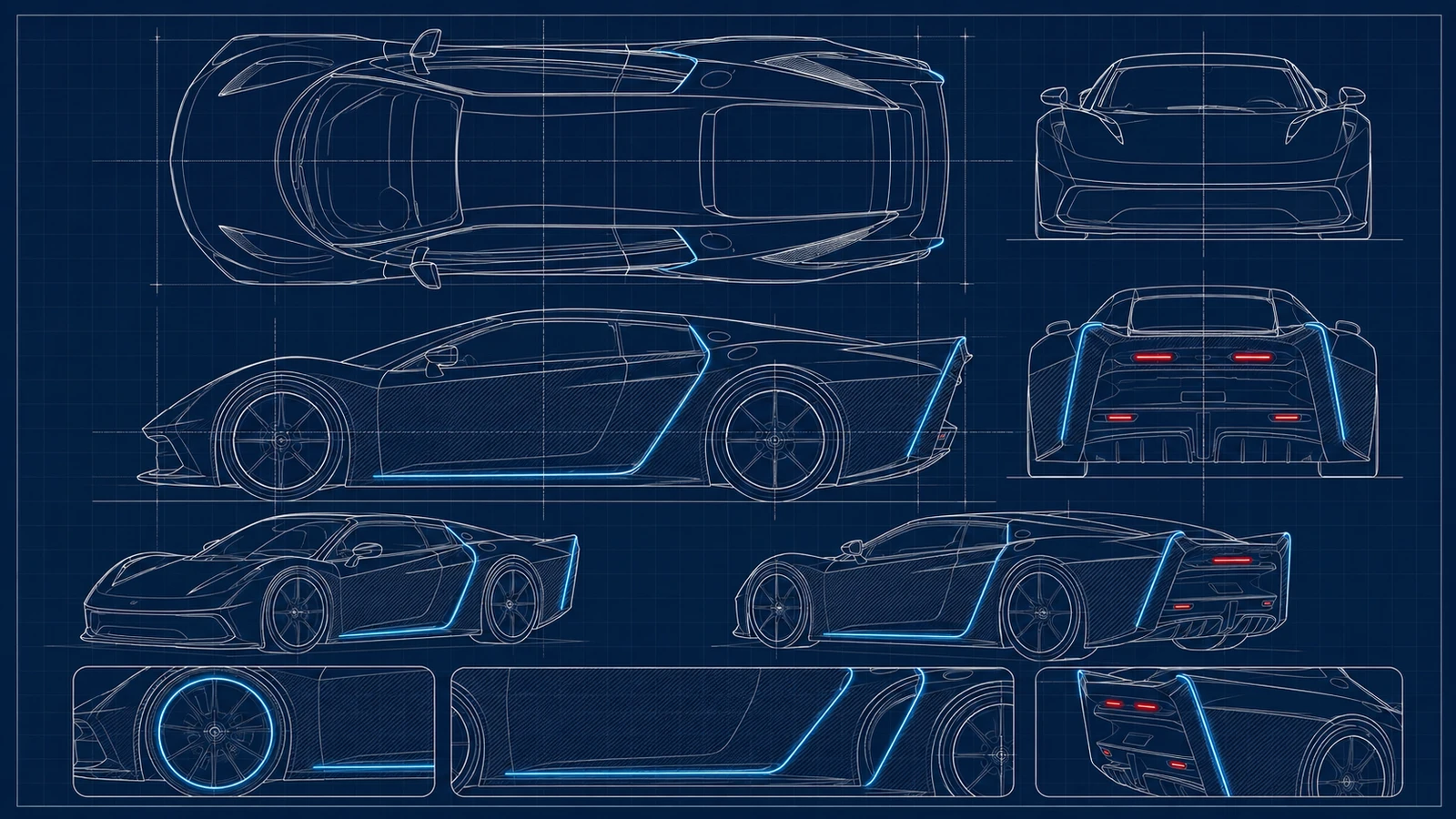
The answer lives in the hard parts. Paint depth. The way chrome and reflections have to track the environment from frame to frame. Surface transitions that catch light the way stamped metal does. A badge that stays the right size and shape through every cut. Those are the tells, and if you get them wrong, no amount of atmosphere saves the shot. What makes them right is a discipline that starts before anything gets rendered: the geometry is locked as a true orthographic set and held consistent from every angle.
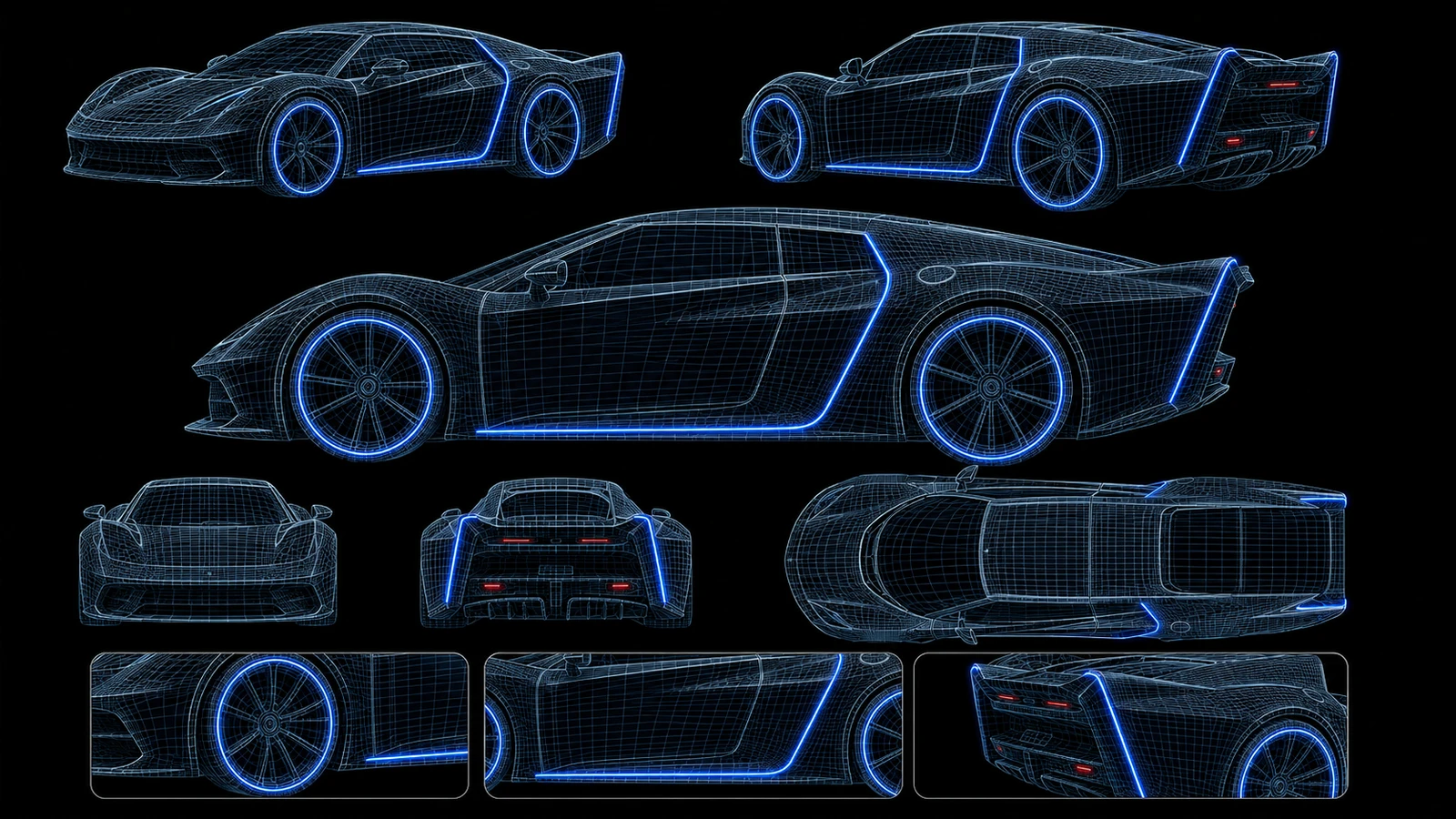
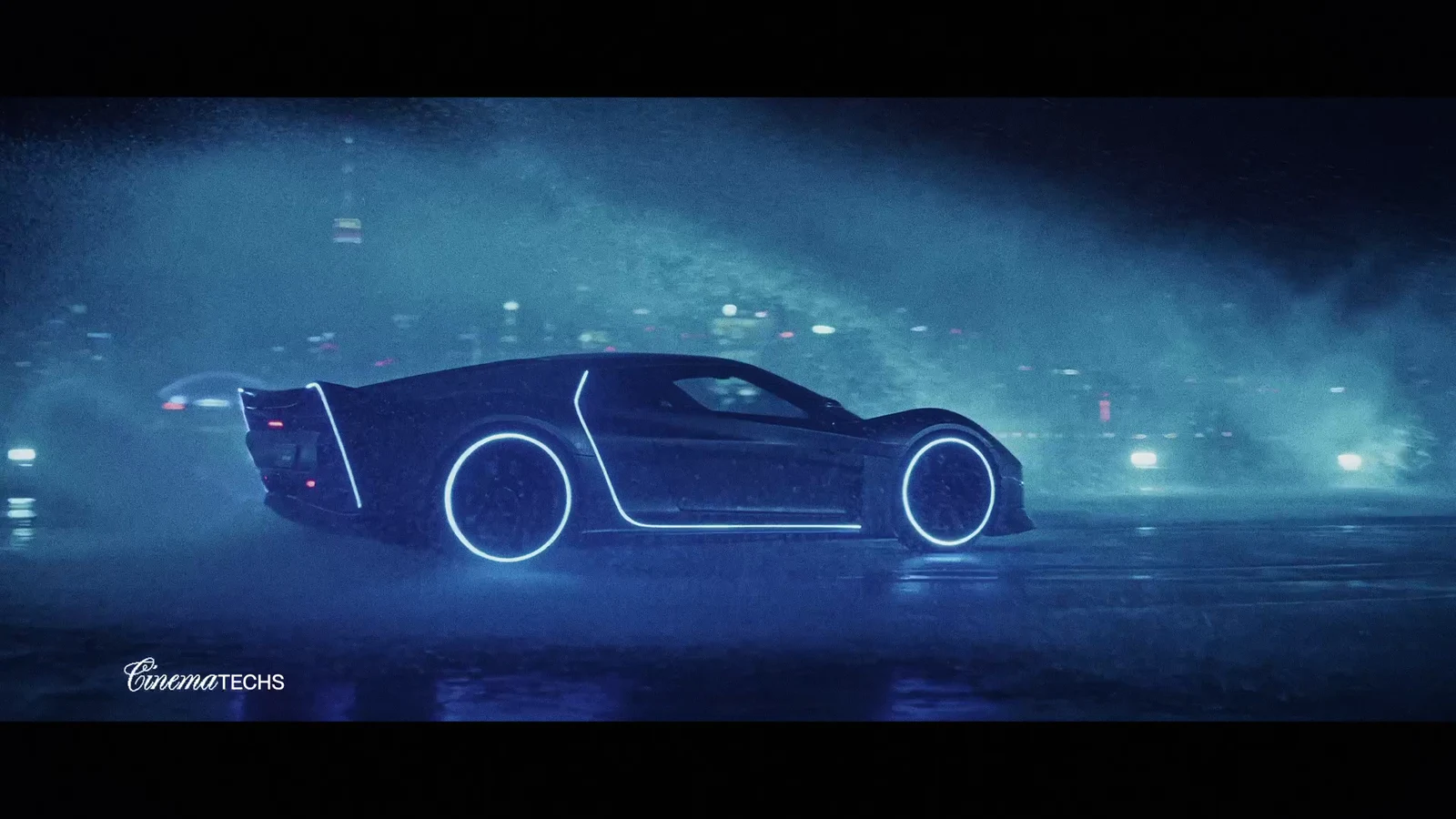
That's the whole point of the turnaround sheets. They aren't concept art. They're the reason the reflections stay believable and the car stays the same car for the length of the spot.
CGI vs AI, without the tribalism
There's a real 2026 argument going on about this, usually framed as CGI versus AI, and it's worth defining plainly. CGI is human-led 3D craft: an artist builds the geometry, the materials, and the lighting by hand, with total control and a matching amount of labour. AI-generated visuals come out of a model from prompts and references, with far less manual control but far more speed. Purists on both sides will tell you the other one is a dead end.
Neither extreme matches how the work actually gets made. Our position is the boring, correct one in the middle: AI-accelerated, human-finished. AI handles what it's good at, which is speed, iteration, and hard-to-stage environments. Human craft and a real finishing pipeline handle what it's bad at, which is brand-critical accuracy. It's the same fidelity discipline behind our hero-shot work, just pointed at metal and paint instead of glass and liquid.
What an AI car commercial actually costs
Here is the comparison a marketing director actually cares about, as industry ranges rather than a quote:
| Approach | Typical range | What drives it |
|---|---|---|
| Traditional car shoot | ~$200K–$300K | Crew, locations, prototype insurance, travel, retakes, weather risk |
| CGI production | ~$10K–$100K per finished minute | Model complexity, materials, animation; still renders in the low hundreds to a few thousand each |
| AI-accelerated pipeline | ~60–90% less than fully traditional | Speed and iteration; finishing and human supervision still take real time |
Read that honestly. AI doesn't make a great commercial free, and it doesn't skip finishing, compositing, or human review. What it takes out is the part of the traditional number that's pure logistics: the location, the transport, the reshoot, the idle day spent waiting on the light. Our AI video production pricing guide walks through how we structure scope so the saving is real, and not just a smaller-looking invoice.
The argument that is actually about cars
Cost is the universal pitch. The one that's actually about cars is sharper.
You can shoot a hero film of a car before that exact car exists.
Brands need hero footage on a calendar that almost never matches manufacturing. The 2027 colourway is signed off but not yet on a line. A market wants a right-hand-drive trim that won't ship for months. A concept car exists as CAD and one hand-built shell that can't leave the studio. Work from approved references and locked geometry, and that spec can be built and filmed as a hero shot now, then updated when the real thing lands. No physical unit, no waiting, no reshoot just to add the new wheel. That's a production problem AI and CGI solve that a camera simply can't.
When a real shoot still wins
Being credible means naming the limits, so here they are. A camera still wins when the message depends on things a render can't honestly stand in for.
Use AI / CGI when
- The spec, colour or trim is not physically buildable yet
- The idea needs an impossible or expensive environment
- You need many format and market variations from one look
- Budget or timeline rules out a full shoot
Shoot it for real when
- The story depends on documentary authenticity
- You are making regulated safety or performance claims
- A real test drive or human reaction is the point
- The hero launch film has to be, verifiably, the real car
The best answer is usually a hybrid. Shoot the moments that have to be real, and use AI and CGI for the shots that are impossible, unaffordable, or not yet buildable. Choosing well gets easier once you understand how AI VFX and traditional VFX differ in practice.
What this changes on your calendar
If you run automotive creative, the shift here isn't "fire the crew." It's that a hero shot stops being gated by whether the physical car, the location, and the weather all line up in the same week. You bring the vehicle reference, the market, and the deadline, and the shot gets built to spec and finished to broadcast standard. Ask any partner the same three questions. How do you keep the paint and badge accurate? What stays human-led? And what happens when the real car ships and the ad has to match it? If the answers are specific, you're talking to a studio. If they're vague, you're talking to a prompt. AI automotive advertising is only worth it when it's engineered like production, not generated like a novelty.
Frequently asked questions
How much does an AI or CGI car commercial cost compared to a traditional shoot?
As industry ranges: a professional traditional car shoot runs roughly $200,000 to $300,000 once crew, locations, prototype insurance, travel and weather risk are counted. CGI runs about $10,000 to $100,000 per finished minute depending on complexity, with still renders in the low hundreds to a few thousand dollars each. AI-accelerated pipelines are cited as cutting cost by roughly 60 to 90 percent versus fully traditional methods. These are ranges, not a quote. The real number depends on scope, spec accuracy, and how much finishing the shot needs.
Can AI-generated car ads maintain accurate paint and badge details?
Only with discipline. Paint depth, chrome and reflection behaviour, badge and logo accuracy, and physically plausible light wrap are the hard problems. We lock the geometry first, hold it consistent across every angle, protect the badge and proportions, and composite or correct critical brand elements rather than trusting raw generation. Accuracy is engineered, not assumed.
Can you advertise a car colour or trim that has not been built yet?
This is the sharpest automotive case for the approach. Brands routinely need hero footage of a colour variant, a market-specific trim or a concept vehicle before a physical unit in that exact spec exists. From approved references and locked geometry, that spec can be built and filmed as a hero shot without waiting on a physical car. Anything the reference does not confirm should be treated as a proposition, not a claim.
Is this CGI or AI?
In practice it's both. CGI is human-led 3D craft, where an artist builds geometry, materials and lighting by hand. AI-generated visuals come from a model with less manual control but more speed. Cinematechs sits between the extremes: AI-accelerated, human-finished, using whichever tool the shot needs and finishing everything through a professional colour and delivery pipeline.
When should a car brand still do a real shoot?
When the message depends on documentary authenticity, a real test drive, or regulated safety and performance claims that must be demonstrated on a physical vehicle. A hero launch film built on genuine footage still wins there. The best campaigns often blend a real shoot with AI and CGI for the shots that are impossible, expensive or not yet buildable.
How fast can an AI or CGI car commercial be produced?
Faster than a traditional shoot, but not instantly. Concept work moves quickly; a broadcast-ready hero shot with locked geometry, accurate paint and full finishing still takes real production time. The gain is that work can begin from references and CAD before the physical vehicle, crew, and location are all lined up. That is where the six-week lead time usually goes.
Need a hero shot for a spec that doesn't exist yet?
Bring us the vehicle reference, the market, and the deadline. We'll build the shot to spec and finish it to broadcast standard, and we'll tell you honestly if a real shoot is the better call. See the Chrome study for what the output looks like.
Discuss a Car Commercial ↗