
Summer, Frame by Frame: How an AI Film Actually Gets Finished
Generation is the middle of the process, not the end. A short lifestyle launch film, taken through all eleven stages, to show what finishing an AI film actually involves.
Cinematechs AI Studio · Case study
The tell of unmanaged AI video is not one bad frame. Anyone can cherry-pick a good still now. The tell is five good frames that do not belong to each other: the whites drift warm then cool, the contrast jumps on the cut, the skin looks plastic in one shot and right in the next. The footage was generated. It was never finished. This is a short case study in the difference, told through a film we made end to end.
The film in sixty seconds
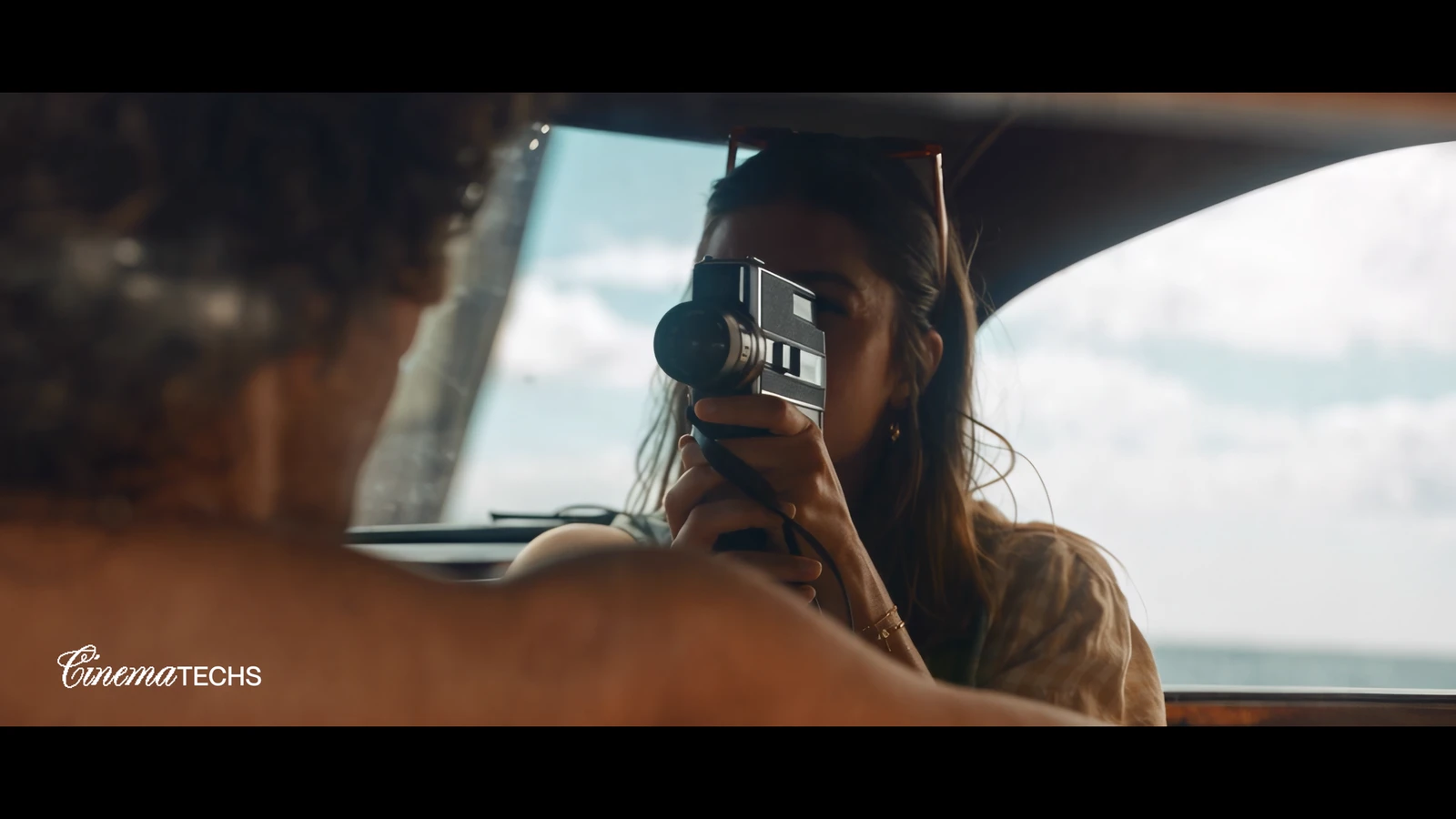
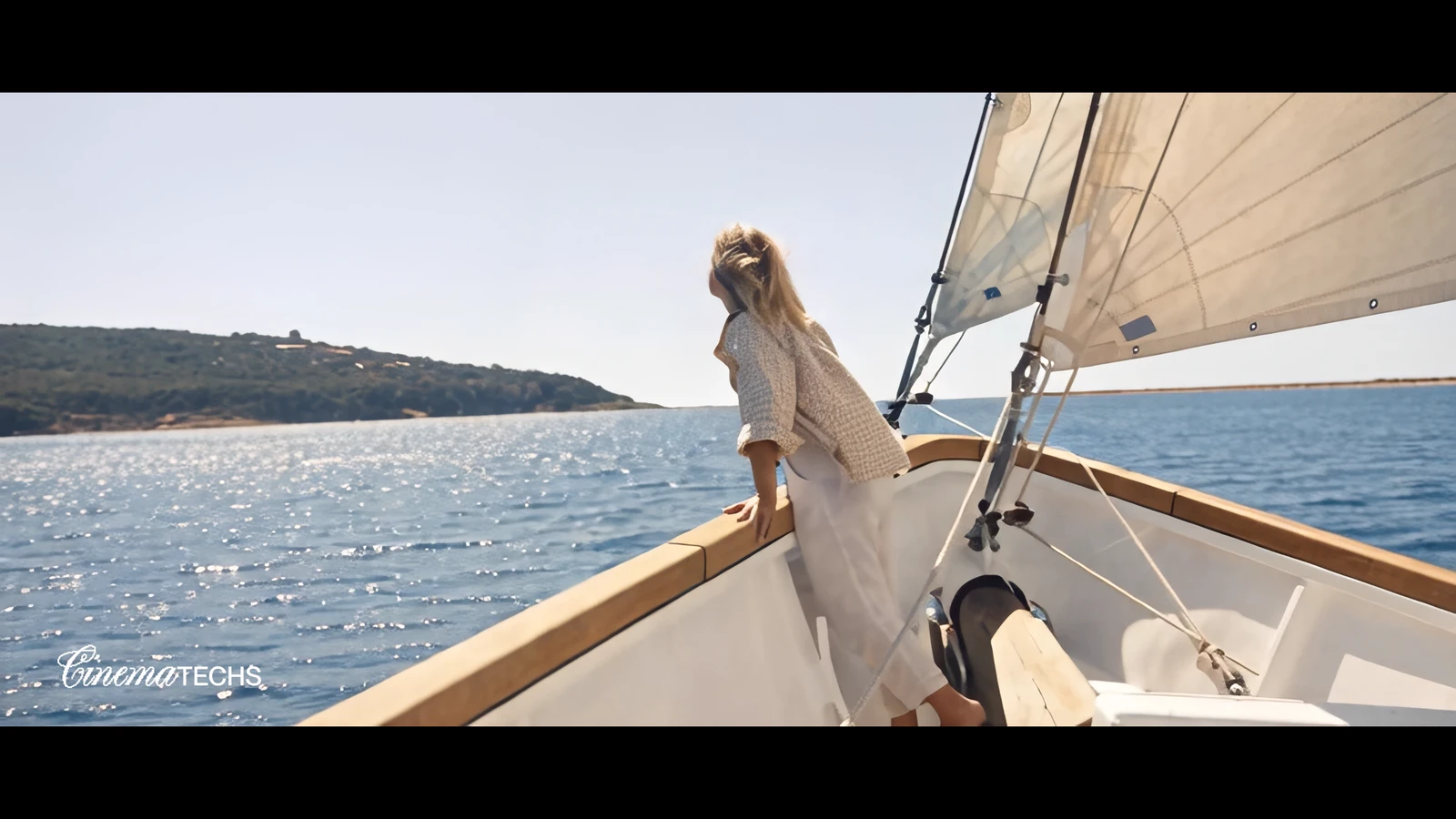
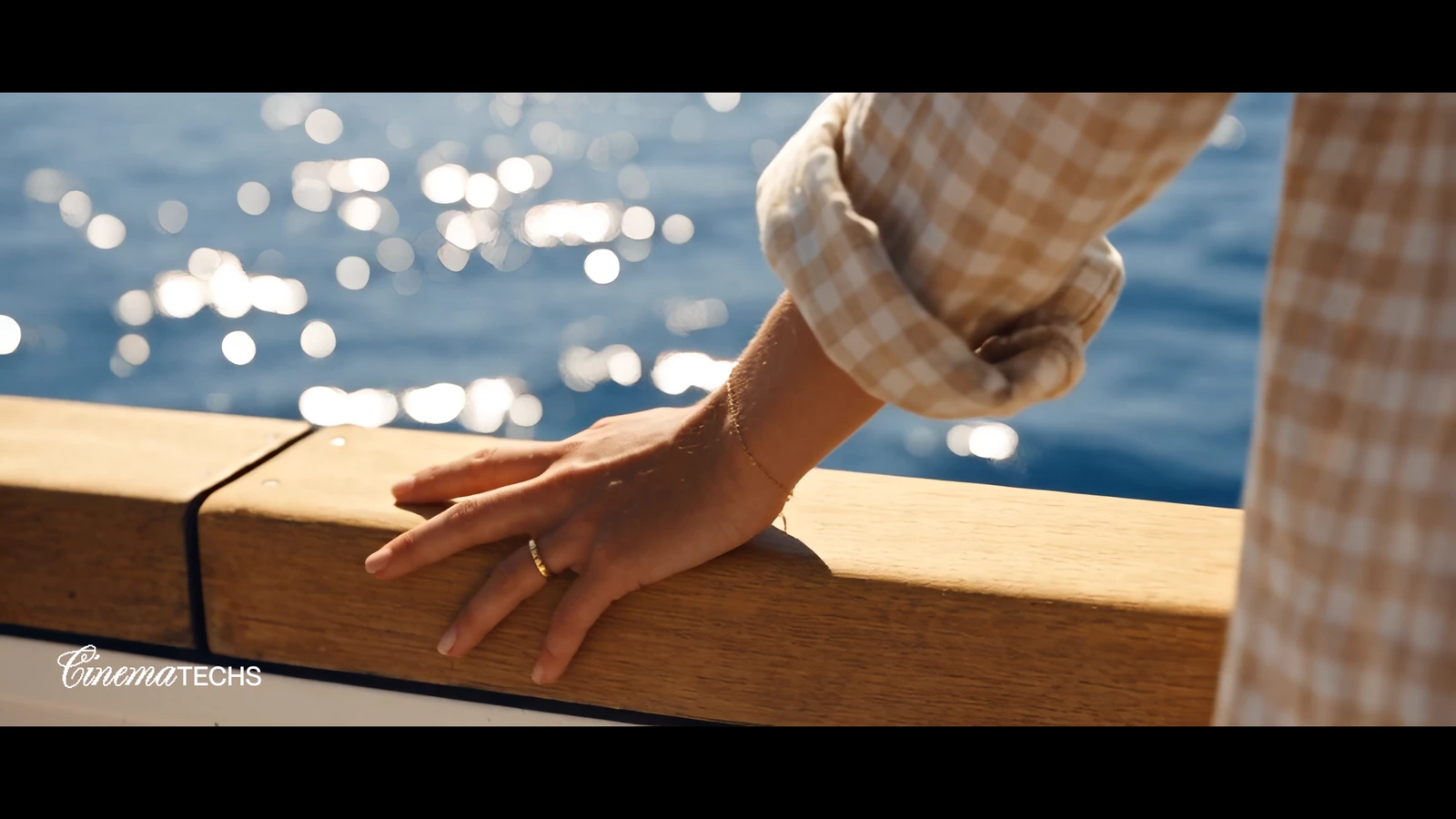
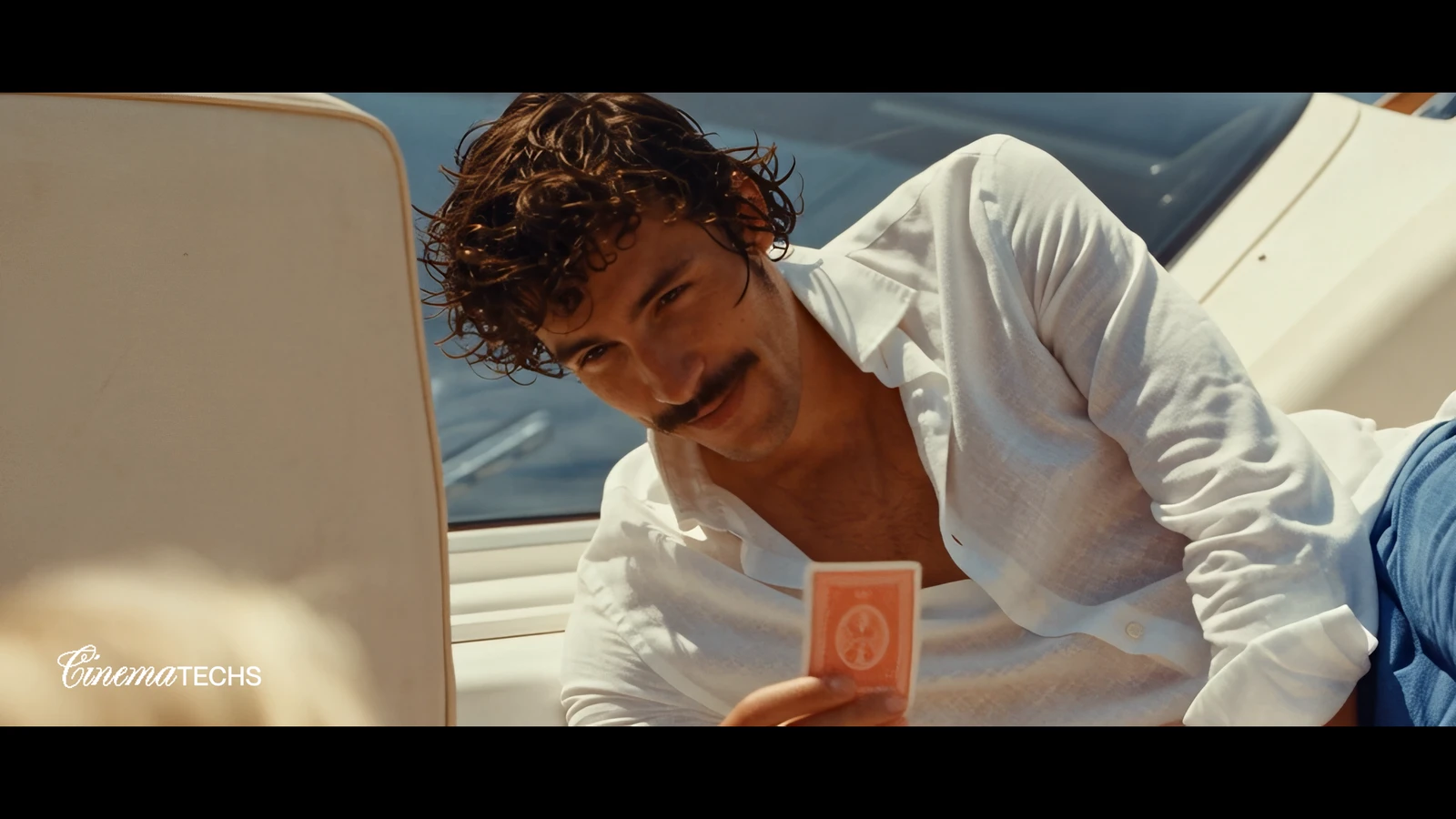
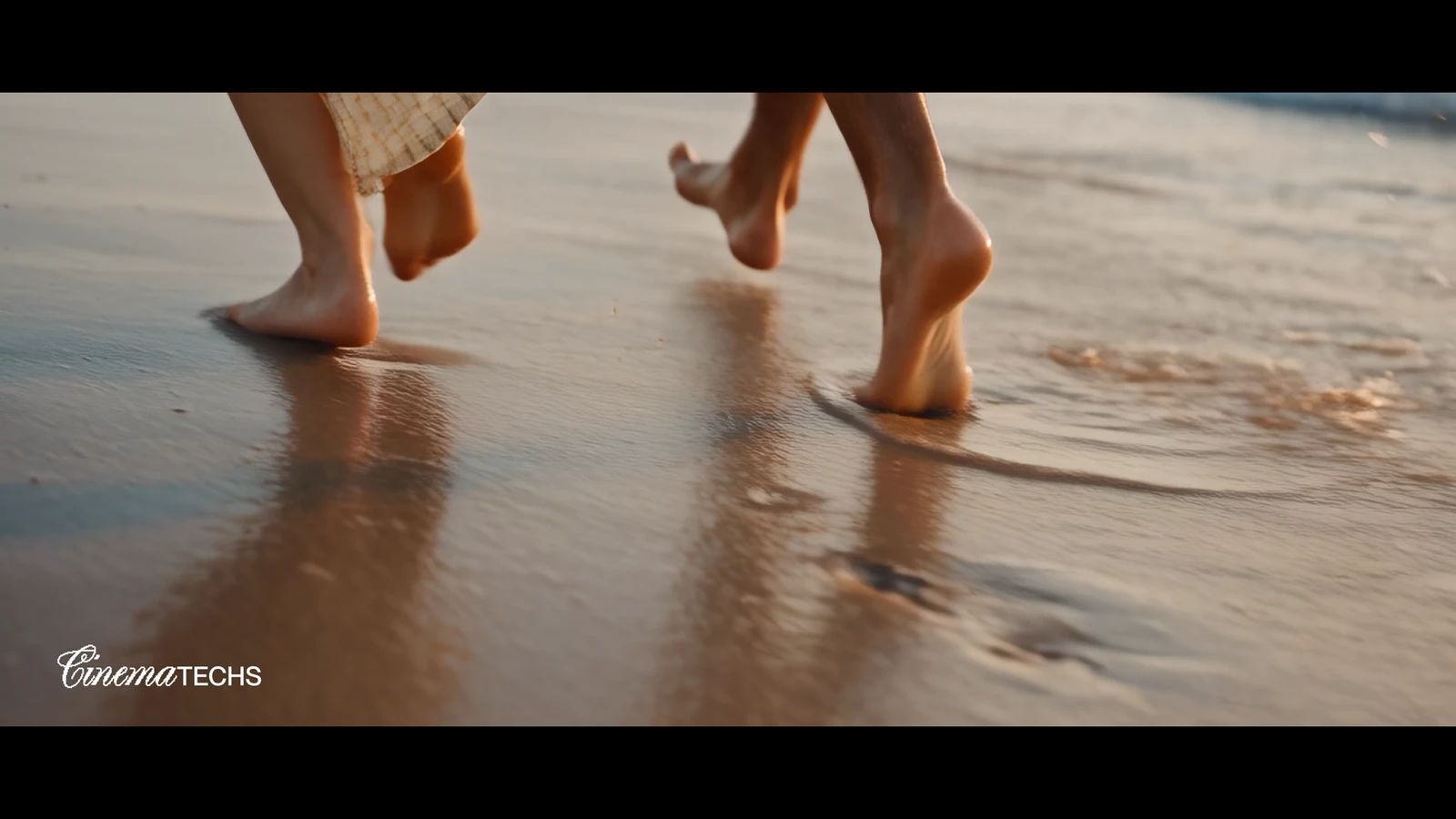
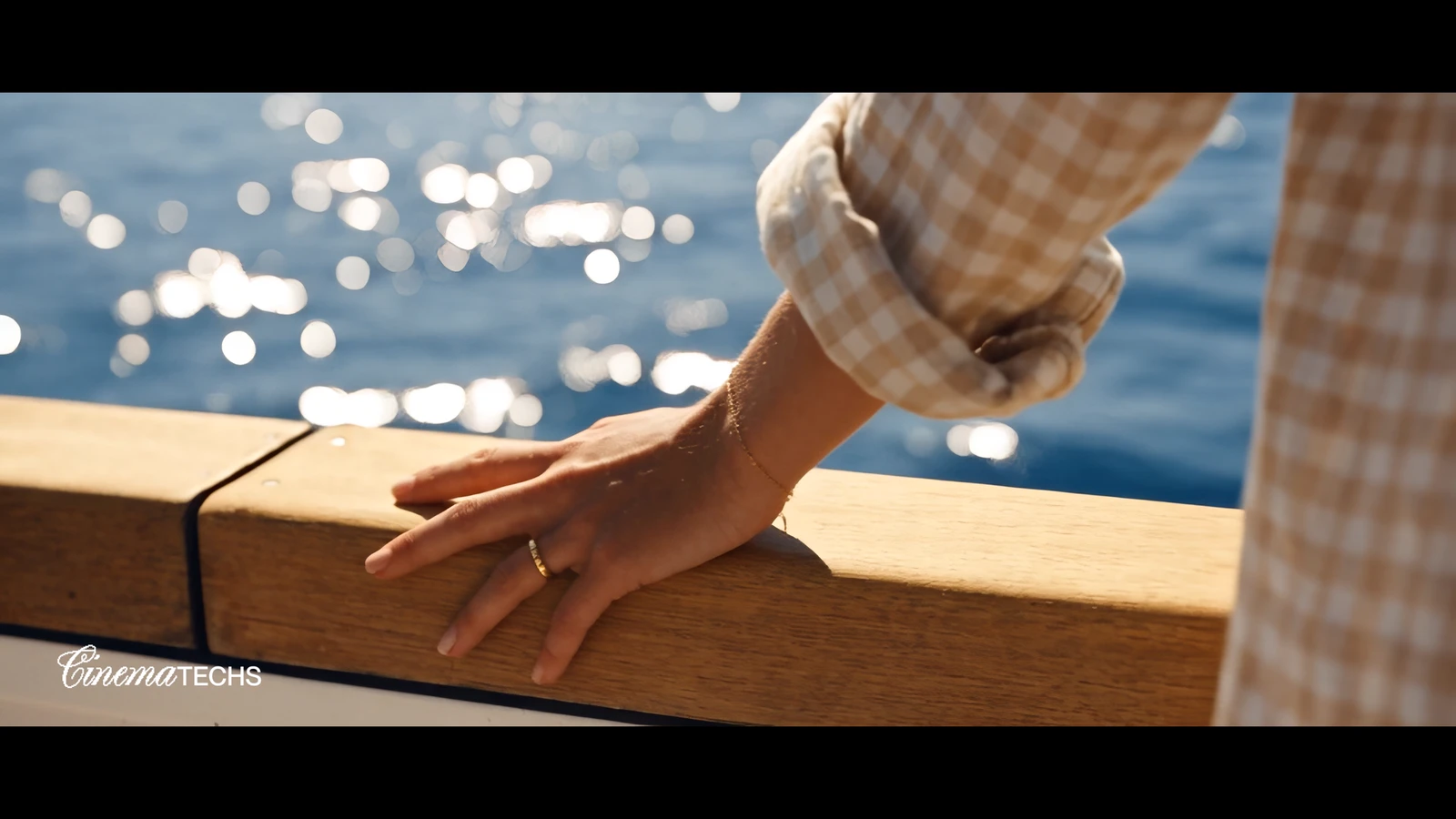
The idea is the act of photographing a summer. The edit behaves like a roll of film being shot, not a property tour. Five shots: a woman raises a 35mm compact through an open car window, the dim interior and the blown exterior both held in one frame; a sailboat bow cuts flat water, the rigging dead rigid while the sea moves under it; a hand rests on varnished timber; a man reads on deck in open linen, his hands, hair and the weave of the cloth all behaving, a real expression on his face; bare feet walk the last inch of shoreline, water displaced, a real contact shadow where skin meets wet sand. One palette runs through all of it, measured off the graded frames: paper white, sun on skin, overcast neutral, mid shadow, leather and wood, a true black point. It is fashion-film grammar, not property-film grammar. And every one of those shots was chosen because it attacks a specific way generated video usually fails.
The eleven stages
Generation sits at stage four of eleven. Everything before it decides what gets made; everything after it decides whether it holds up. The whole chain lives inside the studio's standard six-stage pipeline. This is the craft inside it.
- Inside Intake & data policy
- Brief & route
The film is argued before a frame exists: insight, idea, arc. Goals, references and the data policy are agreed up front, so what is allowed is decided first.
- Inside Precision previs
- Reference-locked style frames
Stills approved before any motion. One visual reference governs the whole film.
- Shot brief & locked keyframes
Each shot is written and anchored to an approved keyframe, with identity, optics and geometry locked.
- Inside Local-first generation
- Local-first generation
Three to four concept iterations per shot, each run against the same reference, never against the previous shot.
- Flat delivery
Taken wide and low-contrast so no look is baked in.
- Inside Provenance & QC
- Depth pass
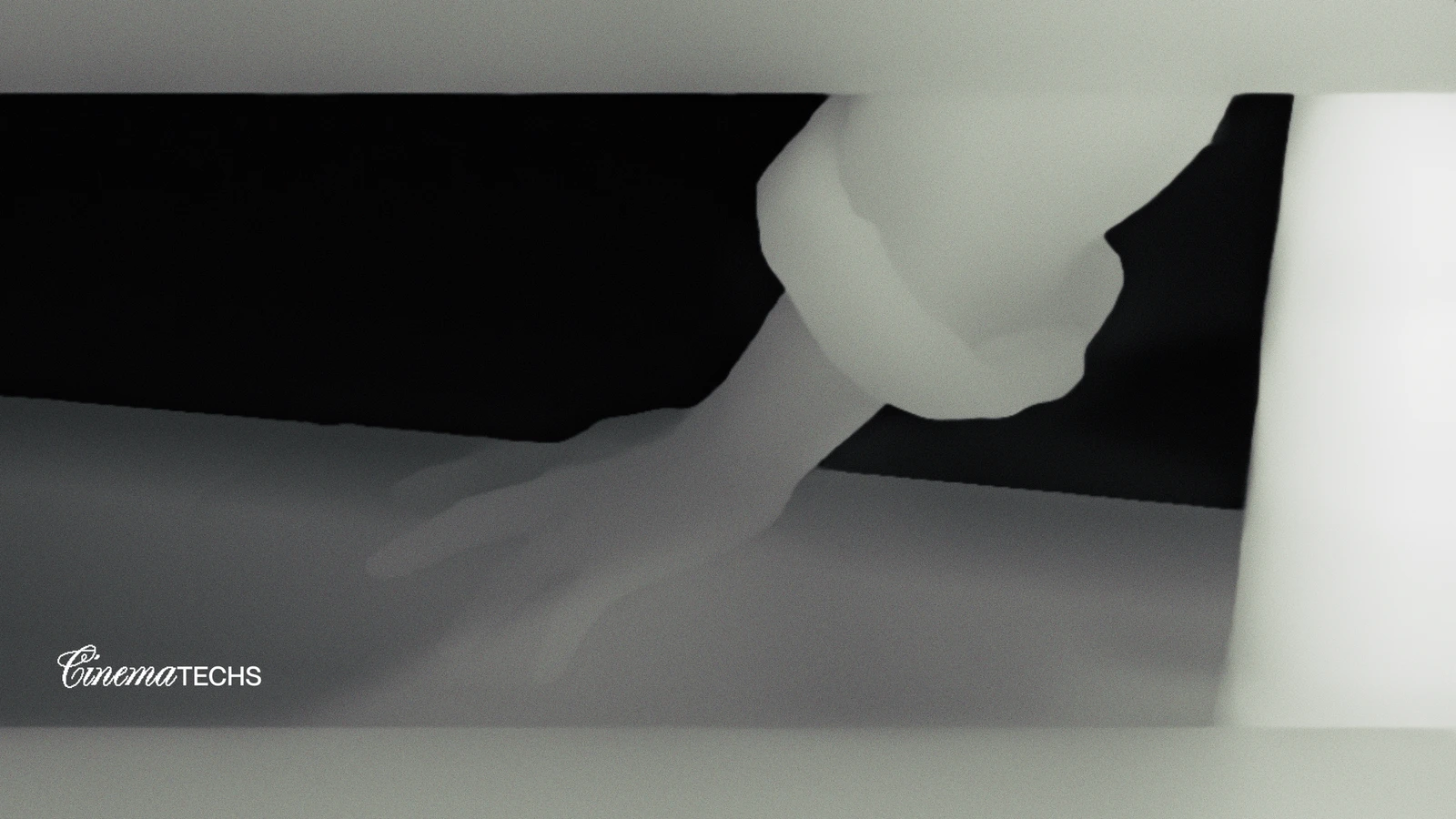
Every approved frame is re-rendered as a proximity map. Geometry, separation and contact are judged there, not on the pretty version. A failing frame is regenerated, not retouched.
- Forensic QC & repair
Temporal stability, morph, edge and detail, anatomy, refraction.
- Bridging QC into delivery
- Grade to Rec.709
Primary balance, a shot-matched secondary pass, one show LUT. Skin and water are protected as secondaries.
- Consistency review
Shot to shot at full raster. One black point, one white point. Trimmed until nothing jumps on a cut.
- Inside Review & delivery
- Polish & sound
Temporal and edge finish, grain added last, sound design and mix.
- Master & handover
ProRes 4444 HQ, 16-bit, Rec.709. Cutdowns and aspect ratios are conformed from one master; depth passes, the show LUT, flat deliveries, a C2PA provenance manifest and a checksum manifest ship with it.
Two of those stages are where the real argument lives, so here is the proof rather than the claim.
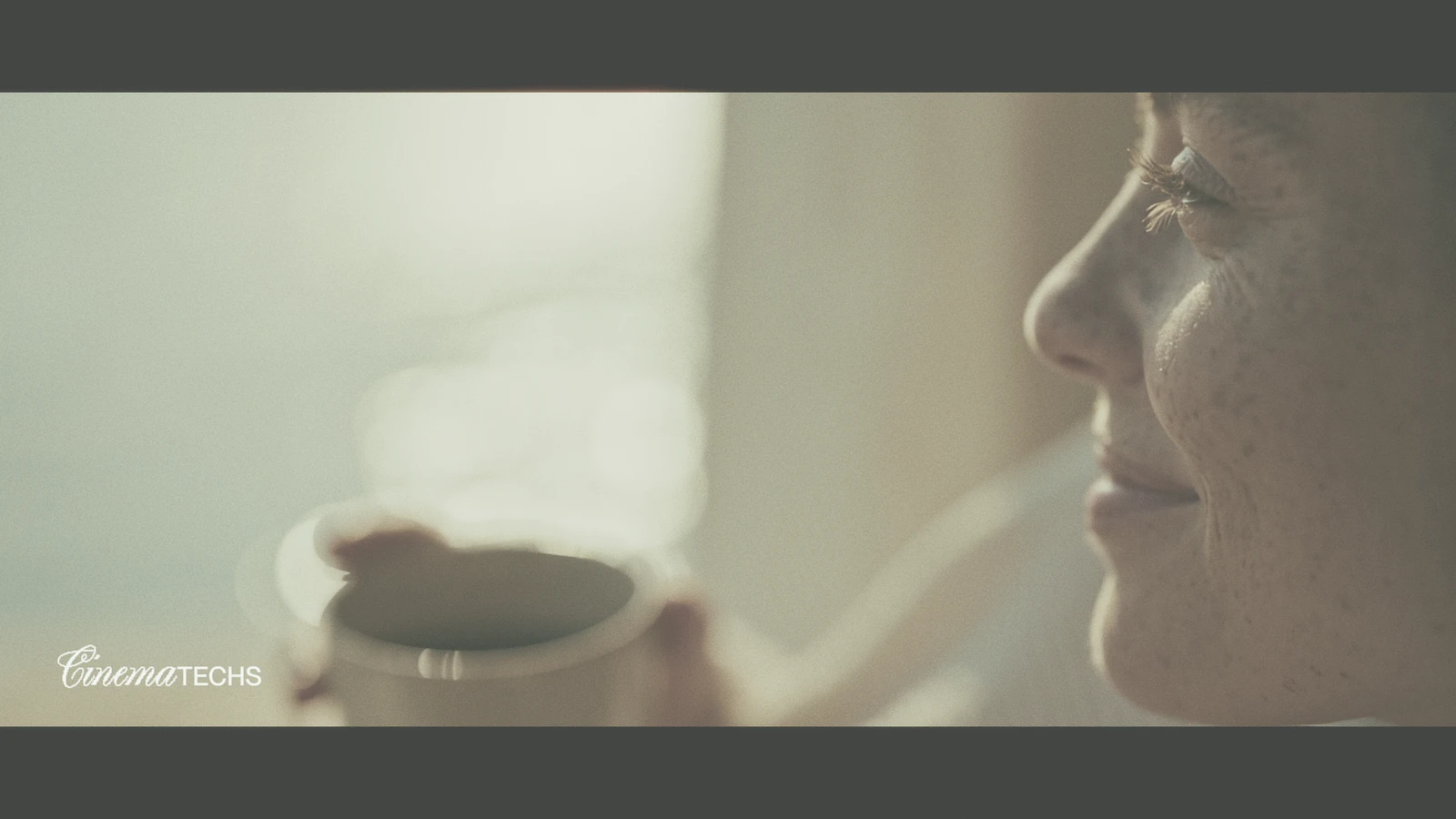
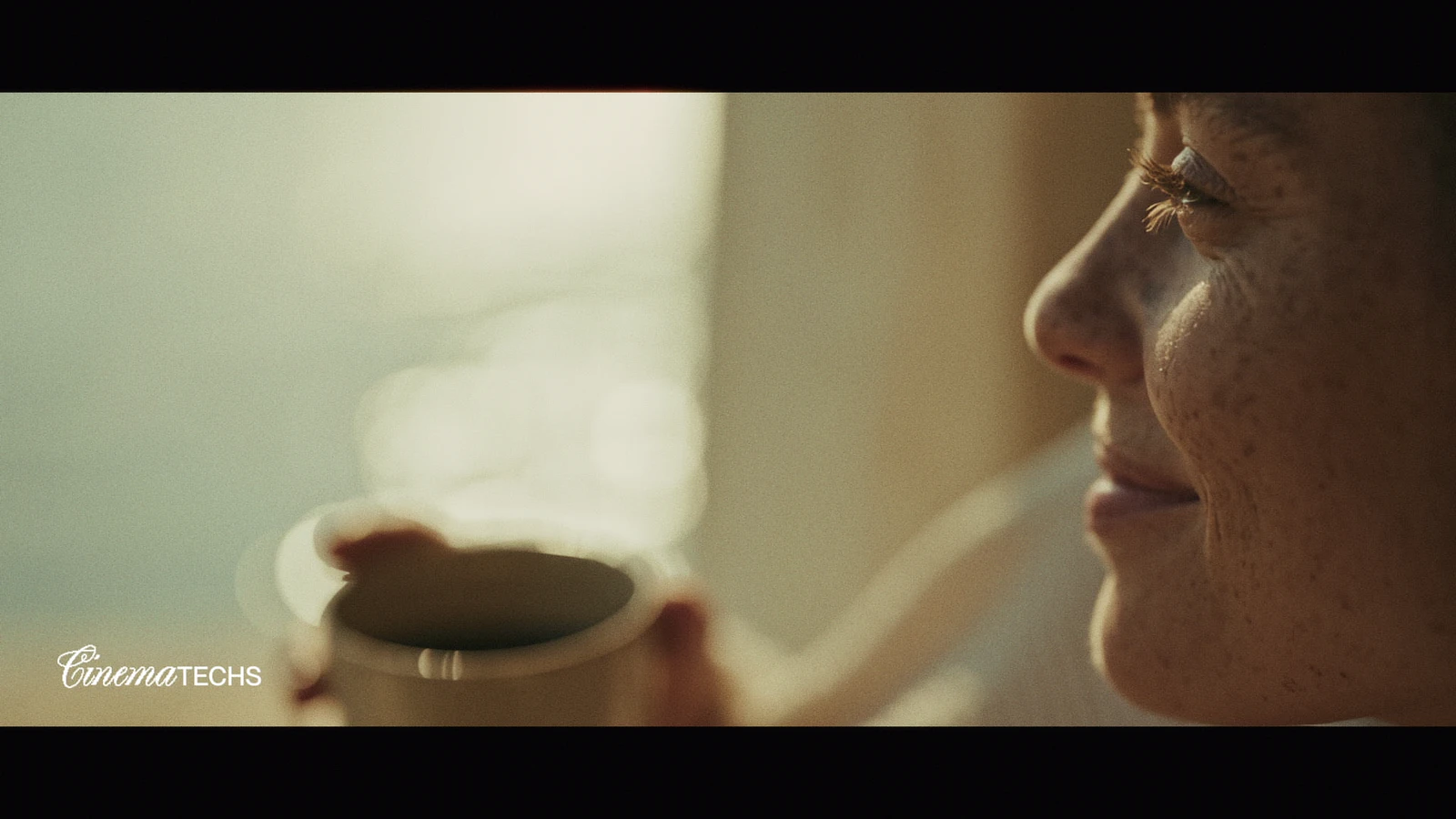
What each hard shot had to survive
None of these shots are decorative. Each was picked to fail in a known way if the process is weak.
- The shoreline: contact shadow. Generated feet tend to hover a pixel above the ground. The depth pass is what proves skin meets sand.
- The sailboat: structural stability under motion. Rigging has to stay rigid while the water moves. Models love to wobble a taut line into a noodle.
- The car window: interior-versus-exterior exposure. A dim cabin and a blown-out exterior in the same frame is a stop range most generators crush. Both had to hold.
- The reader on deck: skin and linen texture. Hands, hair, the weave of the cloth, and a real expression. This is where plastic skin and melted fingers show up first.
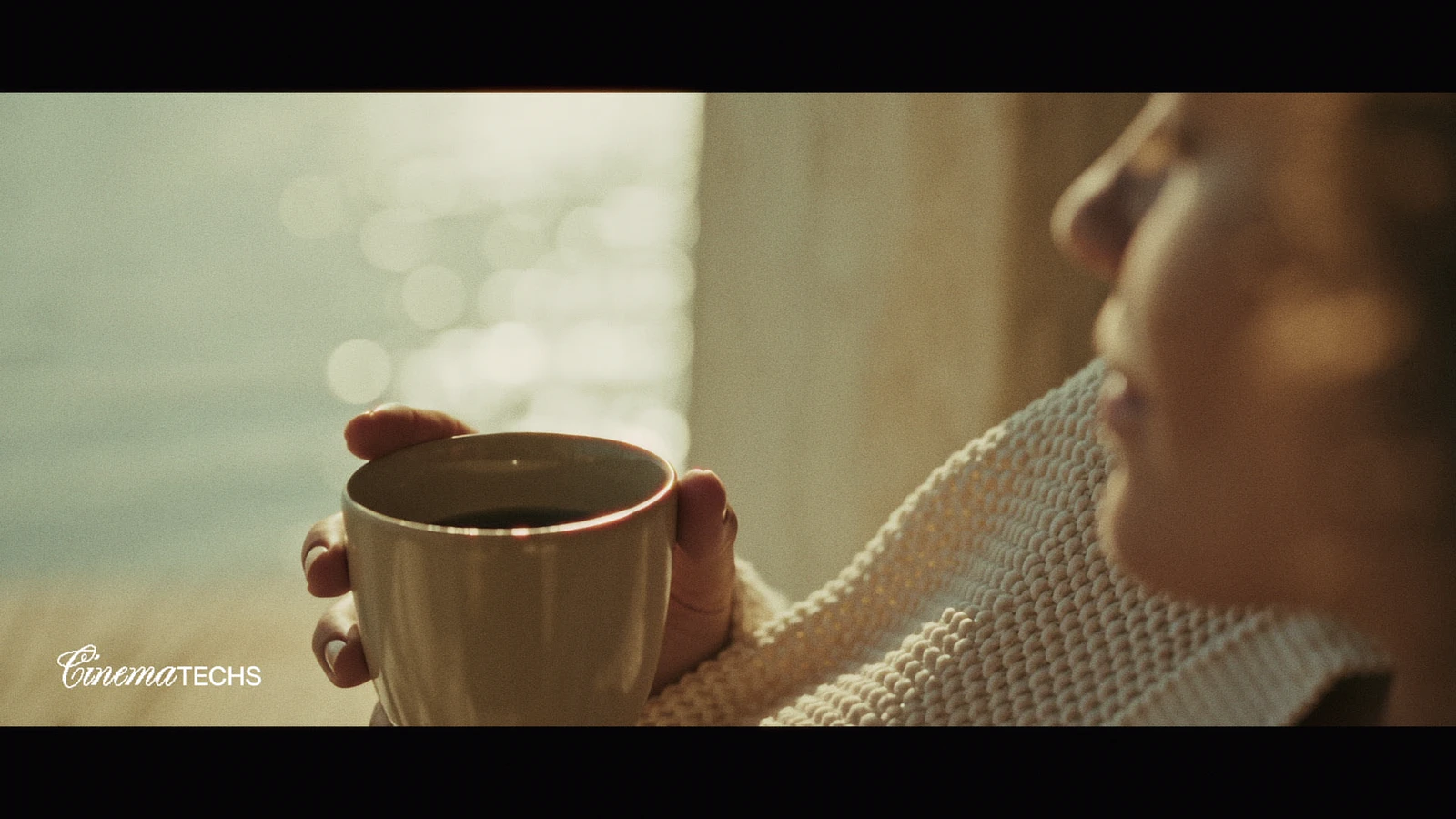
Skin, hair and cloth are where generated footage usually gives itself away. Both frames are graded masters from the film.
Why finishing is the point
The single most important decision happens before the grade: take the generation flat. A stylised look poured over uncorrected footage does not hide the mismatches between shots, it amplifies them. Correct first, stylise second. Then one show LUT and one black-and-white point across the whole film, so the five shots read as one roll rather than five experiments.
Generation gives you frames. Finishing gives you a film.
What ships at the end is not a clip. It is a master: ProRes 4444 HQ at 16-bit in Rec.709, with every cutdown and aspect ratio conformed from that one file, and the working parts shipped alongside it: the depth passes, the show LUT, the flat deliveries, a C2PA content-credentials manifest and a checksum manifest. That is what separates a studio result from a good afternoon with a generator.
When this is the wrong approach
A generated film is a bad idea for some briefs, and saying so is the honest part. Use a real shoot when the message depends on documentary truth, when a real product or place has to be exactly what it claims on camera, or when you are making regulated safety or performance claims that have to be demonstrated. This work is for mood, concept and launch-teaser pieces where the idea is the deliverable, not a verified record. If you are weighing the two, our piece on AI VFX versus traditional VFX lays out where each one wins.
What to ask any studio
If someone pitches you AI film, three questions sort the studios from the prompt jockeys. Do you deliver flat and grade properly, or is the look baked into the generation? How do you prove consistency across shots, and at what raster? And what actually ships with the master? The answers are specific or they are not. Our questions to ask before hiring an AI film studio goes further. You can also see the same fidelity discipline applied to a very different material in the Chrome automotive study, where the material is metal and paint instead of skin and linen.
Frequently asked questions
How do you keep AI video consistent between shots?
Consistency is built before generation, not rescued after it. Every shot is generated against one approved visual reference, never against the previous shot, so nothing drifts cumulatively. In finishing, one show LUT and a single black and white point are applied across the film, then every shot is trimmed against a reference still until nothing jumps on a cut.
How do you colour grade AI video?
Generation is delivered flat, wide and low-contrast, so no look is baked in. The grade is then built properly: a primary balance, a shot-matched secondary pass, and one show LUT, graded to Rec.709. Skin and water are protected as secondaries so the stylised look never distorts the things a viewer judges hardest.
What is an AI film production pipeline?
It is the disciplined chain around generation. In ours, generation is one step in eleven: brief and route, reference-locked style frames, locked keyframes, local-first generation, flat delivery, a depth pass, forensic QC and repair, grade to Rec.709, consistency review, polish and sound, and a mastered handover. The output is an approved, repeatable, broadcast-safe result rather than a nice-looking clip.
How long does an AI film take to produce?
It depends on shot count, revision rounds and finishing. Concept and style frames move quickly, but the depth-pass QC, grade, consistency review and master take real time, and that is where the quality difference lives. The runtime of the finished film is short; the work that makes those seconds hold up is not. Our pricing guide explains how scope maps to budget.
Is this a real shoot or generated?
Generated, and finished like a real production. These frames are conceptual visualisation, not built architecture or a documented location. The craft is in making generated footage survive the things that usually expose it: contact shadows, texture, exposure range and stability under motion.
When is a real shoot the better choice?
When the message depends on documentary truth, on a real product or place being exactly what it claims, or on regulated safety and performance claims. A generated film is the wrong tool for those. It is the right tool for mood, concept and launch-teaser work where the idea, not a verified record, is the point.
Have a film that has to hold up?
Bring us the idea, the references and the deadline. We will route it, generate it, and finish it to a broadcast-safe master, and we will tell you honestly when a real shoot is the better call. See how we run the full pipeline.
Discuss a Film ↗